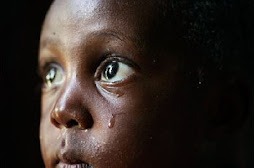
Moses Mudzwiti
Zim's new unity government makes its priorities clear
ZIMBABWE'S new unity government has splashed out on new cars and office furniture for its ministers and top officials, The Zimbabwe Times reports. The move comes as the country cries out for money from its neighbours. The government's spending frenzy has been extended to the security forces, notably the police.
At the weekend, police superintendents in Harare received state-sponsored power generators. There are about 150 superintendents. Lower-ranked police officers have been issued with two-wheeled carts.
On Friday, transport ministry officials confirmed that new vehicles were being delivered to government ministers. President Robert Mugabe, who turned 85 on Saturday, has added 10 more ministries to the 31 agreed to in September.
So far, 19 deputy ministers have been appointed. Mugabe and Prime Minister Morgan Tsvangirai have two deputies each.
Before the MDC-T joined the unity government, Tsvangirai's party campaigned for a leaner cabinet of only 15 ministers.
In only a week, Mugabe appears to have succeeded in altering the MDC's perspective on government spending.
Several years ago a similar kitting-out of cabinet ministers cost the government more than US$ 200- million.
In recent weeks, Zimbabwe's cash-strapped government has raised the cost of its services astronomically.
For example, car number plates cost US$ 200 (R2000) and getting a Zimbabwean passport can set you back as much as US$ 600.
This week the government will ask visiting UN officials and other donors to fund teachers' salaries.
A good number of teachers quit more than two years ago, citing poor pay.
As a result, the government was considering a general amnesty for errant teachers, meaning they would not have to reapply for their jobs.
Teachers have rejected the government's US$ 100 shopping vouchers, insisting instead on salaries of US$ 2 300.
New education minister David Coltart has appealed to all teachers to return to their classes today.
The country's cholera death toll continues to rise unabated.
More than 3700 people are known to have succumbed to the easily treatable disease.
Monday, February 23, 2009


How 'Botox Bob' Robert Mugabe defies old age
Jan Raath: Behind the story
To the naked eye, Mr Mugabe looks the very picture of health, even for a much younger man let alone someone in their ninth decade. "He is in very good shape for 85," said a Harare doctor, requesting anonymity. "I would be very happy to look like that when I'm 85."
In an interview on local television at the weekend, Mr Mugabe attributed his apparent health to a lifelong regimen of daily exercise. He said that he jogs each morning and maintains his weight between 75kg and 80kg. "This ensures my body is full of muscles, and not fat," he said.
He also works out in the gym in his new mansion in Harare's exclusive suburb of Borrowdale Brooke and has a personal trainer. He has always eaten carefully, has never smoked and admits to only "an occasional glass of sweet white wine".
The octogenarian is not without certain health complaints. "He's certainly not as healthy as he makes out he is," said the doctor.
His speech is not halting, but for several years he has been prone to long, rambling, disconnected monologues. "It's a sign of senile dementia caused by
neural decay that is normal in people of his age," said the doctor. Mr Mugabe displays a high-stepping gait, also part of the dementia syndrome, the doctor said.
In the run-up to last year's bloody presidential election, Mr Mugabe's trousers rose as he sat, to reveal abnormally bloated ankles. "Oedema," suggested the octor. "It's a sign of heart, kidney or liver dysfunction."
Most curious of all is his unwrinkled face. "You can usually tell how a person is going to look by observing their parents," he said. "Mugabe's mother reached 92 and she looked, well, like a prune. He should be looking like her at his age."
"The secret has to be Botox," he said. "It also explains why his face often changes so dramatically, from being chubby to gaunt and hollow-cheeked. It's what happens when you don't have regular treatment."
Such claims have been voiced before. A former US ambassador referred to him s "Botox Bob".
To the naked eye, Mr Mugabe looks the very picture of health, even for a much younger man let alone someone in their ninth decade. "He is in very good shape for 85," said a Harare doctor, requesting anonymity. "I would be very happy to look like that when I'm 85."
In an interview on local television at the weekend, Mr Mugabe attributed his apparent health to a lifelong regimen of daily exercise. He said that he jogs each morning and maintains his weight between 75kg and 80kg. "This ensures my body is full of muscles, and not fat," he said.
He also works out in the gym in his new mansion in Harare's exclusive suburb of Borrowdale Brooke and has a personal trainer. He has always eaten carefully, has never smoked and admits to only "an occasional glass of sweet white wine".
The octogenarian is not without certain health complaints. "He's certainly not as healthy as he makes out he is," said the doctor.
His speech is not halting, but for several years he has been prone to long, rambling, disconnected monologues. "It's a sign of senile dementia caused by
neural decay that is normal in people of his age," said the doctor. Mr Mugabe displays a high-stepping gait, also part of the dementia syndrome, the doctor said.
In the run-up to last year's bloody presidential election, Mr Mugabe's trousers rose as he sat, to reveal abnormally bloated ankles. "Oedema," suggested the octor. "It's a sign of heart, kidney or liver dysfunction."
Most curious of all is his unwrinkled face. "You can usually tell how a person is going to look by observing their parents," he said. "Mugabe's mother reached 92 and she looked, well, like a prune. He should be looking like her at his age."
"The secret has to be Botox," he said. "It also explains why his face often changes so dramatically, from being chubby to gaunt and hollow-cheeked. It's what happens when you don't have regular treatment."
Such claims have been voiced before. A former US ambassador referred to him s "Botox Bob".
MDC lawyer put under deadly surveillance
By MIRANDA DUBE
Published: Monday 23 February 2009
ZIMBABWE - HARARE - Two unidentified men are stalking MDC lawyer Alec Muchadehama, who is representing political prisoners who have become a bargaining chip in a high stakes political amnesty game.
The targeting of Muchadehama comes at a time his name has been circulating in the media circles that the MDC wanted him to take over as the new Attorney General. This revelation has rattled the incumbent AG, Johannes Tomana, who faces the axe amid mounting opposition clamour for his dismissal.
Muchadehama has said he would not take up the offer of the AG's job because he was doing just fine in private practice.
The motive for putting Muchadehama under deadly surveillance is not yet clear.
Two unidentified men have since late last week been stalking the human rights lawyer since he left Court 13 at the Rotten Row magistrate's court on Friday.
The two unidentified men suspected to be state security agents, followed Muchadehama to the main entrance of the court and stood within earshot as Muchadehama briefed Dr Francis Lovemore, one of the doctors who examined the detained political prisoners about proceedings in court, where Magistrate Gloria Takundwa had just ordered the immediate and urgent medical examination of the four detainees including Kisimusi Dhlamini, Regis Mujeyi, Mapfumo Garutsa and Andrisson Manyere, who appeared in court on February 20.
The two unidentified men had been in court meticulously taking notes during remand hearing proceedings, where Muchadehama successfully sought an order for the examination and treatment of the four detainees.
Muchadehama also successfully obtained an order compelling the State to give a trial date for the accused persons. Human rights lawyers are outraged at the deadly surveillance of their colleague.
"Zimbabwe Lawyers for Human Rights is greatly worried about the rising incidences of harassment and attacks against lawyers," said Irene Petras, head of the ZLHR. "This act of stalking was deliberately meant to spook Muchadehama. ZLHR condemns such clandestine acts by the unidentified men who distracted a legal practitioner who was executing his duties."
Efforts to obtain comment from National Security minister Sydney Sekeramayi were futile.
Published: Monday 23 February 2009
ZIMBABWE - HARARE - Two unidentified men are stalking MDC lawyer Alec Muchadehama, who is representing political prisoners who have become a bargaining chip in a high stakes political amnesty game.
The targeting of Muchadehama comes at a time his name has been circulating in the media circles that the MDC wanted him to take over as the new Attorney General. This revelation has rattled the incumbent AG, Johannes Tomana, who faces the axe amid mounting opposition clamour for his dismissal.
Muchadehama has said he would not take up the offer of the AG's job because he was doing just fine in private practice.
The motive for putting Muchadehama under deadly surveillance is not yet clear.
Two unidentified men have since late last week been stalking the human rights lawyer since he left Court 13 at the Rotten Row magistrate's court on Friday.
The two unidentified men suspected to be state security agents, followed Muchadehama to the main entrance of the court and stood within earshot as Muchadehama briefed Dr Francis Lovemore, one of the doctors who examined the detained political prisoners about proceedings in court, where Magistrate Gloria Takundwa had just ordered the immediate and urgent medical examination of the four detainees including Kisimusi Dhlamini, Regis Mujeyi, Mapfumo Garutsa and Andrisson Manyere, who appeared in court on February 20.
The two unidentified men had been in court meticulously taking notes during remand hearing proceedings, where Muchadehama successfully sought an order for the examination and treatment of the four detainees.
Muchadehama also successfully obtained an order compelling the State to give a trial date for the accused persons. Human rights lawyers are outraged at the deadly surveillance of their colleague.
"Zimbabwe Lawyers for Human Rights is greatly worried about the rising incidences of harassment and attacks against lawyers," said Irene Petras, head of the ZLHR. "This act of stalking was deliberately meant to spook Muchadehama. ZLHR condemns such clandestine acts by the unidentified men who distracted a legal practitioner who was executing his duties."
Efforts to obtain comment from National Security minister Sydney Sekeramayi were futile.
Thursday, February 19, 2009
On the morning of the wedding day, groom assaults bride
By Glen Mpani
Those close to the bride, aware of the abusive nature of the groom, plead with her to call the wedding off. She does not heed their advice. She has reached a point of no return. Guests have been invited. Money has been spent. The priest is ready to administer the rites.
Besides, the bride's pride is at stake .She has boasted to relatives and friends that she will be a respectably married woman. That sense of moral superiority is priceless. The groom, for all his abusive nature, is well resourced. Material comfort and security weigh heavily on the bride's mind hence her immunity to sound advice. The marriage will put years of poverty behind her. There is simply no alternative to the marriage. She will deal with whatever her abusive spouse throws at her.
The MDC is the bride in the political farce playing out in Zimbabwe. On the morning of the swearing in of cabinet ministers, Roy Bennett, a senior member of the MDC and deputy minister of agriculture nominee, was arrested. This despite, according to the MDC, guarantees given by the South African government of his safe return from asylum. The arrest took place while South Africa's President Kgalema Motlanthe and his predecessor Thabo Mbeki were in Harare for the swearing in ceremony.
The Prime Minister and MDC leader Morgan Tsvangirai did not see Bennett's arrest as reason enough to pull out of the swearing in ceremony.
Perhaps he was right. After all Bennett is not the only one behind bars. Over 30 MDC members and civil society activists are in Robert Mugabe's dungeons. Tsvangirai made their release one condition of his entering an inclusive government. For the umpteenth time he caved in. He now enjoys the comforts of office while innocent people prepared to sacrifice for what they believed was a fight for justice, freedom and democracy languish in prison. Not to talk about those who paid the ultimate price. All Tsvangirai could do was visit them in prison after he was sworn in as Prime Minister. What more evidence is needed to prove how powerless Tsvangirai is in this so-called power-sharing government.
On the day Tsvangirai was sworn in as Prime Minister service chiefs who have repeatedly vowed never to salute him were conspicuous by their absence. In other words they do not recognize his premiership. Their commander-in chief, Mugabe, should have ordered them to attend but chose not to. This speaks volumes about his attitude to this so-called inclusive government.
It does not end there.
In total violation of the unity agreement farm invasions still go on unabated. Earlier, hours before his swearing in, Tsvangirai admitted that he had taken "a plunge into the unknown." Confronted with news of Bennett's arrest his response was pathetically feeble: " As you begin to trust walls will start falling down." This becomes a depressing mixture of naivety and denial.
What is to be done to rescue Zimbabwe from this elaborate hoax? First, it has to be accepted that the MDC, tired and seduced by the material comforts of office, are irreversibly committed to this so-called inclusive government. They are going nowhere. They have accepted their fate as co-opted junior partners. What can they do to salvage the situation in the wider interests of Zimbabweans? A starting point is to define the nature of this government. As things stand this government can actually last for five years.
A man who was not legitimately elected as President was given the right to rule for a full five – year term. Those who call it a transitional government are lying. A transitional government, ipso facto, has a clearly defined time span. This one has none. It does not call for elections after a stipulated period. It does not call for elections after the adoption of a new constitution. Mugabe retains the power to dissolve Parliament and call for new elections. Talk of consulting the MDC in the exercise of this power is laughable. It will be exercised in a manner politically expedient to Mugabe.
The MDC should, in partnership with civil society and its mass base, build consensus around holding internationally run elections after the adoption of a new constitution. It should also insist on the restoration of the rule of law in all its manifestations. Human rights must be observed. Zimbabweans must enjoy full civil and political liberties. All repressive laws must be repealed. Institutions of state such as the defence forces, police and judiciary must be depoliticized. The media must be unshackled with journalists allowed to work in a free environment.
Property rights must be restored and honoured. A new constitution which entrenches the above rights and more must be adopted after its acceptance by citizens in a referendum. Free and fair elections held under the strict international supervision must follow .
Politics got Zimbabwe into this mess. Only correct political remedies can rescue the situation. It is pointless talking about economic reconstruction without addressing the root cause of Zimbabwe's descent into a failed state.
That part of the international community able to financially assist Zimbabwe is right in insisting on a proven commitment to political reform, the restoration of the rule of law, and early international supervised elections before releasing funds. There should be no assistance given to this government other than humanitarian aid until all features of its fascist nature are removed. Targeted sanctions against Mugabe and his cronies must stay in place until the above conditions are met.
The abused bride will be on her own after wedding guests have gone to live with a brute of a husband. Similarly the MDC is on its own after its irreversible plunge into the unknown. Its leadership should not, like cry babies, run to SADC each time Mugabe flagrantly violates the agreement. After all it is the same SADC leaders who cajoled and bullied the MDC into accepting a Mugabe-led government in which, as Bright Matonga, one of the regime's spokesman said, Tsvangirai was a ceremonial prime minister.
For the sake of the people of Zimbabwe the MDC must do something to salvage them from this shambles.
Those close to the bride, aware of the abusive nature of the groom, plead with her to call the wedding off. She does not heed their advice. She has reached a point of no return. Guests have been invited. Money has been spent. The priest is ready to administer the rites.
Besides, the bride's pride is at stake .She has boasted to relatives and friends that she will be a respectably married woman. That sense of moral superiority is priceless. The groom, for all his abusive nature, is well resourced. Material comfort and security weigh heavily on the bride's mind hence her immunity to sound advice. The marriage will put years of poverty behind her. There is simply no alternative to the marriage. She will deal with whatever her abusive spouse throws at her.
The MDC is the bride in the political farce playing out in Zimbabwe. On the morning of the swearing in of cabinet ministers, Roy Bennett, a senior member of the MDC and deputy minister of agriculture nominee, was arrested. This despite, according to the MDC, guarantees given by the South African government of his safe return from asylum. The arrest took place while South Africa's President Kgalema Motlanthe and his predecessor Thabo Mbeki were in Harare for the swearing in ceremony.
The Prime Minister and MDC leader Morgan Tsvangirai did not see Bennett's arrest as reason enough to pull out of the swearing in ceremony.
Perhaps he was right. After all Bennett is not the only one behind bars. Over 30 MDC members and civil society activists are in Robert Mugabe's dungeons. Tsvangirai made their release one condition of his entering an inclusive government. For the umpteenth time he caved in. He now enjoys the comforts of office while innocent people prepared to sacrifice for what they believed was a fight for justice, freedom and democracy languish in prison. Not to talk about those who paid the ultimate price. All Tsvangirai could do was visit them in prison after he was sworn in as Prime Minister. What more evidence is needed to prove how powerless Tsvangirai is in this so-called power-sharing government.
On the day Tsvangirai was sworn in as Prime Minister service chiefs who have repeatedly vowed never to salute him were conspicuous by their absence. In other words they do not recognize his premiership. Their commander-in chief, Mugabe, should have ordered them to attend but chose not to. This speaks volumes about his attitude to this so-called inclusive government.
It does not end there.
In total violation of the unity agreement farm invasions still go on unabated. Earlier, hours before his swearing in, Tsvangirai admitted that he had taken "a plunge into the unknown." Confronted with news of Bennett's arrest his response was pathetically feeble: " As you begin to trust walls will start falling down." This becomes a depressing mixture of naivety and denial.
What is to be done to rescue Zimbabwe from this elaborate hoax? First, it has to be accepted that the MDC, tired and seduced by the material comforts of office, are irreversibly committed to this so-called inclusive government. They are going nowhere. They have accepted their fate as co-opted junior partners. What can they do to salvage the situation in the wider interests of Zimbabweans? A starting point is to define the nature of this government. As things stand this government can actually last for five years.
A man who was not legitimately elected as President was given the right to rule for a full five – year term. Those who call it a transitional government are lying. A transitional government, ipso facto, has a clearly defined time span. This one has none. It does not call for elections after a stipulated period. It does not call for elections after the adoption of a new constitution. Mugabe retains the power to dissolve Parliament and call for new elections. Talk of consulting the MDC in the exercise of this power is laughable. It will be exercised in a manner politically expedient to Mugabe.
The MDC should, in partnership with civil society and its mass base, build consensus around holding internationally run elections after the adoption of a new constitution. It should also insist on the restoration of the rule of law in all its manifestations. Human rights must be observed. Zimbabweans must enjoy full civil and political liberties. All repressive laws must be repealed. Institutions of state such as the defence forces, police and judiciary must be depoliticized. The media must be unshackled with journalists allowed to work in a free environment.
Property rights must be restored and honoured. A new constitution which entrenches the above rights and more must be adopted after its acceptance by citizens in a referendum. Free and fair elections held under the strict international supervision must follow .
Politics got Zimbabwe into this mess. Only correct political remedies can rescue the situation. It is pointless talking about economic reconstruction without addressing the root cause of Zimbabwe's descent into a failed state.
That part of the international community able to financially assist Zimbabwe is right in insisting on a proven commitment to political reform, the restoration of the rule of law, and early international supervised elections before releasing funds. There should be no assistance given to this government other than humanitarian aid until all features of its fascist nature are removed. Targeted sanctions against Mugabe and his cronies must stay in place until the above conditions are met.
The abused bride will be on her own after wedding guests have gone to live with a brute of a husband. Similarly the MDC is on its own after its irreversible plunge into the unknown. Its leadership should not, like cry babies, run to SADC each time Mugabe flagrantly violates the agreement. After all it is the same SADC leaders who cajoled and bullied the MDC into accepting a Mugabe-led government in which, as Bright Matonga, one of the regime's spokesman said, Tsvangirai was a ceremonial prime minister.
For the sake of the people of Zimbabwe the MDC must do something to salvage them from this shambles.
Wednesday, February 18, 2009
A history of treason
BULAWAYO, 18 February 2009 (IRIN) - President Robert Mugabe's 29-year rule in Zimbabwe has been punctuated by treason cases involving his political opponents. It is a charge that can carry the death sentence. IRIN looks back at some of the key cases.
March 1982 : Dumiso Dabengwa, former intelligence chief of ZIPRA (the armed wing of ZAPU, political rival of Mugabe's ZANU party), and Lookout Masuku, deputy commander of the new integrated Zimbabwe National Army, are arrested and charged with treason. They are cleared by the courts a year later, but are detained under Section 17 of Emergency Powers regulations.
1982 : ZAPU leader and veteran nationalist Joshua Nkomo is charged with plotting a coup against Mugabe. Nkomo is sacked as home affairs minister and flees the country in 1983, remaining in exile for four years.
October 1995 : Ndabaningi Sithole, leader of the opposition ZANU Ndonga party, is arrested with two others for allegedly plotting to assassinate Mugabe. Sithole is sentenced to two years in prison but dies while appealing the sentence.
February 2002 : Morgan Tsvangirai, leader of the Movement for Democratic Change (MDC), MDC secretary-general Welshman Ncube, and senior official Tendai Biti are arrested and charged with treason. The state alleges they enlisted the services of a shadowy Israeli 'consultant', Ari Ben-Menashe, in plans to 'eliminate' Mugabe. Tsvangirai is cleared by the courts in 2004; the charges against the other two men were dropped earlier.
March 2006 : Arms dealer Mike Hitschmann and seven others are charged with terrorism and an alleged plot to assassinate Mugabe after an arms cache is discovered. Then MDC treasurer Roy Bennett is implicated in the case. Hitschmann is eventually jailed for firearms offences.
June 2008 : MDC secretary-general Tendai Biti is arrested on his return home from South Africa. The state alleges Biti committed treason in a document he authored, outlining his party's post-Mugabe transition strategy. A separate charge of 'communicating falsehoods' stems from a statement he made after the controversial 29 March elections. The treason charge is finally dropped in February 2009.
February 2009 : Senior MDC official Roy Bennett is arrested and charged with terrorism, on the day he was to have been sworn in as deputy agriculture minister in the new power-sharing government. A terrorism conviction can carry a life sentence.
March 1982 : Dumiso Dabengwa, former intelligence chief of ZIPRA (the armed wing of ZAPU, political rival of Mugabe's ZANU party), and Lookout Masuku, deputy commander of the new integrated Zimbabwe National Army, are arrested and charged with treason. They are cleared by the courts a year later, but are detained under Section 17 of Emergency Powers regulations.
1982 : ZAPU leader and veteran nationalist Joshua Nkomo is charged with plotting a coup against Mugabe. Nkomo is sacked as home affairs minister and flees the country in 1983, remaining in exile for four years.
October 1995 : Ndabaningi Sithole, leader of the opposition ZANU Ndonga party, is arrested with two others for allegedly plotting to assassinate Mugabe. Sithole is sentenced to two years in prison but dies while appealing the sentence.
February 2002 : Morgan Tsvangirai, leader of the Movement for Democratic Change (MDC), MDC secretary-general Welshman Ncube, and senior official Tendai Biti are arrested and charged with treason. The state alleges they enlisted the services of a shadowy Israeli 'consultant', Ari Ben-Menashe, in plans to 'eliminate' Mugabe. Tsvangirai is cleared by the courts in 2004; the charges against the other two men were dropped earlier.
March 2006 : Arms dealer Mike Hitschmann and seven others are charged with terrorism and an alleged plot to assassinate Mugabe after an arms cache is discovered. Then MDC treasurer Roy Bennett is implicated in the case. Hitschmann is eventually jailed for firearms offences.
June 2008 : MDC secretary-general Tendai Biti is arrested on his return home from South Africa. The state alleges Biti committed treason in a document he authored, outlining his party's post-Mugabe transition strategy. A separate charge of 'communicating falsehoods' stems from a statement he made after the controversial 29 March elections. The treason charge is finally dropped in February 2009.
February 2009 : Senior MDC official Roy Bennett is arrested and charged with terrorism, on the day he was to have been sworn in as deputy agriculture minister in the new power-sharing government. A terrorism conviction can carry a life sentence.
Should I stay or should I go: what every white Zimbabwean asks
Martin Fletcher in Harare
At one point or another every white Zimbabwean family has had the same debate: whether to stay in the country they love, as it steadily deteriorates, or whether to cut their losses and move elsewhere.
The young, those concerned about their futures, have mostly chosen to go. One of the many sadnesses of Zimbabwe is that it is a land of broken families, with children and grandchildren scattered across the world, having left to start new lives in outh Africa, Britain, North America, Australia or New Zealand.
Some middle-aged white Zimbabweans, including former farmers whose land was seized, have stayed, learnt to play the system and run reasonably successful businesses. A lot of older and retired Zimbabweans, however, chose to stay in the land where they have lived all their lives because they reasoned that genteel poverty would be easier to endure in a warm climate than in the damp, grey cold of England. What they probably underestimated was the extent of Zimbabwe's collapse.
Astronomical inflation has rendered their pensions, lifetime savings and insurance policies utterly worthless. Their last remaining wealth is tied up in their Properties, and they now live off remittances from their children or whatever they have managed to stash away in foreign bank accounts.
That was fine until US dollar inflation also began to soar a few years ago. Provided Zimbabweans have foreign currency they can still buy most of the commodities they need, but at silly prices and many now make two- or three-day journeys to Botswana or South Africa to buy pallet-loads of cheaper food. The collapse of the health system means they now have to pay for expensive private health care in foreign currency if they fall ill. The breakdown of water and electrical supplies means they have had to sink boreholes in their gardens and invest in generators. Even The Herald, the miserable, state-controlled newspaper, now costs $1.Most muddle through, somehow, though they live in constant fear of serious illness or major house repairs. They long ago stopped using their swimming pools. They have turned lawns into vegetable patches. They gave up whisky, then meat, and take their ageing cars out less and less. In extremis there are a couple of charities that offer discreet help to indigent whites.
The Times was told of one elderly man who committed suicide recently so that his wife would have only one mouth to feed. The only problem is that even the most odest funeral costs around $300 - which makes the cost of dying almost as prohibitive as the cost of living.
At one point or another every white Zimbabwean family has had the same debate: whether to stay in the country they love, as it steadily deteriorates, or whether to cut their losses and move elsewhere.
The young, those concerned about their futures, have mostly chosen to go. One of the many sadnesses of Zimbabwe is that it is a land of broken families, with children and grandchildren scattered across the world, having left to start new lives in outh Africa, Britain, North America, Australia or New Zealand.
Some middle-aged white Zimbabweans, including former farmers whose land was seized, have stayed, learnt to play the system and run reasonably successful businesses. A lot of older and retired Zimbabweans, however, chose to stay in the land where they have lived all their lives because they reasoned that genteel poverty would be easier to endure in a warm climate than in the damp, grey cold of England. What they probably underestimated was the extent of Zimbabwe's collapse.
Astronomical inflation has rendered their pensions, lifetime savings and insurance policies utterly worthless. Their last remaining wealth is tied up in their Properties, and they now live off remittances from their children or whatever they have managed to stash away in foreign bank accounts.
That was fine until US dollar inflation also began to soar a few years ago. Provided Zimbabweans have foreign currency they can still buy most of the commodities they need, but at silly prices and many now make two- or three-day journeys to Botswana or South Africa to buy pallet-loads of cheaper food. The collapse of the health system means they now have to pay for expensive private health care in foreign currency if they fall ill. The breakdown of water and electrical supplies means they have had to sink boreholes in their gardens and invest in generators. Even The Herald, the miserable, state-controlled newspaper, now costs $1.Most muddle through, somehow, though they live in constant fear of serious illness or major house repairs. They long ago stopped using their swimming pools. They have turned lawns into vegetable patches. They gave up whisky, then meat, and take their ageing cars out less and less. In extremis there are a couple of charities that offer discreet help to indigent whites.
The Times was told of one elderly man who committed suicide recently so that his wife would have only one mouth to feed. The only problem is that even the most odest funeral costs around $300 - which makes the cost of dying almost as prohibitive as the cost of living.
140 farmers face prosecution, eviction
February 17, 2009
By Our Correspondent
HARARE - At least 140 commercial farmers face both prosecution and eviction
from their land over the next two weeks as government tries to push the few
remaining white farmers off their farms.
Police have also been told to "assist" in the eviction of the embattled
farmers even if they had court orders protecting them from the seizure of
their land by government.
Commercial Farmers Union (CFU) president, Hendriek Olivier told The Zimbabwe
Times Monday that over a hundred commercial farmers had been summoned to
various courts countrywide over the next two weeks allegedly for defying
government directives to vacate their land.
"We have some incidents still occurring of farmers being evicted and often
given 24 hour notices to vacate their farms," said Olivier.
"We still have some other disturbances of farm managers being locked up and
some farm owners forced to make accommodation available for Zanu-PF youths."
The move to grab the few remaining farms follows recommendations of a
workshop convened in Chegutu more than a week ago and attended by officials
from the Ministries of Lands, Justice and the police.
According to a memo (12/09), dated February 9, 2009 which was written by the
Police Provincial Intelligence Officer for Mashonaland West and sent to the
Officer Commanding Police Mashonaland West Province, the Chief Magistrate,
Herbert Mandeya ordered the courts to ignore the dictates of a November 2008
SADC Tribunal ruling that barred government from further expropriating white
owned land.
The ruling was made after 75 white Zimbabwean farmers approached the
Windhoek-based tribunal to seek an order to prevent government from
repossessing their farms under its controversial land reform programme.
According to the ruling, the applicants were found to have been
discriminated against on the grounds of race.
Government was also ordered to protect the possession, occupation and
ownership of the land by the applicants.
The tribunal also ordered that a handful of farmers whose land has already
been confiscated should receive compensation by June 30, 2009.
But Mandeya said the ruling by the tribunal "must be disregarded as it did
not form part of our law".
"He sighted (sic) Sec 111 (b) of the Constitution of Zimbabwe that provides
that treaties entered into by government cannot form part of our laws unless
they go through parliament," read the memo, which was copied to the Staff
Officer PISI, Police General Headquarters.
"In this regard SADC Tribunal ruling is not law binding."
The Attorney General, Johannes Tomana who was one of the facilitators of the
workshop, is also said to have scolded public prosecutors for "failing to
interpret correctly" the provisions of the Gazetted land (Consequential
Provisions) Act which he said had caused unnecessary delays in the trial of
the commercial farmers.
During the workshop, the Permanent Secretary in the Justice ministry, David
Mangota is reported to have assured the participants that High Court
interdicts against new beneficiaries "will be dealt with by a different
forum in the near future".
At the end of the meeting, reads the memo, the following were agreed by all
the participants; "that the recent SADC tribunal ruling shall not have any
bearing in the courts on matters to do with land.
"That lands officers together with law enforcement agents must do everything
in their power to assist in the eviction of former commercial farmers who
are refusing to vacate gazetted farms and whose cut off dates have elapsed.
"That cases pending trial at the courts should be finalized by the 21st of
February 2009."
By Our Correspondent
HARARE - At least 140 commercial farmers face both prosecution and eviction
from their land over the next two weeks as government tries to push the few
remaining white farmers off their farms.
Police have also been told to "assist" in the eviction of the embattled
farmers even if they had court orders protecting them from the seizure of
their land by government.
Commercial Farmers Union (CFU) president, Hendriek Olivier told The Zimbabwe
Times Monday that over a hundred commercial farmers had been summoned to
various courts countrywide over the next two weeks allegedly for defying
government directives to vacate their land.
"We have some incidents still occurring of farmers being evicted and often
given 24 hour notices to vacate their farms," said Olivier.
"We still have some other disturbances of farm managers being locked up and
some farm owners forced to make accommodation available for Zanu-PF youths."
The move to grab the few remaining farms follows recommendations of a
workshop convened in Chegutu more than a week ago and attended by officials
from the Ministries of Lands, Justice and the police.
According to a memo (12/09), dated February 9, 2009 which was written by the
Police Provincial Intelligence Officer for Mashonaland West and sent to the
Officer Commanding Police Mashonaland West Province, the Chief Magistrate,
Herbert Mandeya ordered the courts to ignore the dictates of a November 2008
SADC Tribunal ruling that barred government from further expropriating white
owned land.
The ruling was made after 75 white Zimbabwean farmers approached the
Windhoek-based tribunal to seek an order to prevent government from
repossessing their farms under its controversial land reform programme.
According to the ruling, the applicants were found to have been
discriminated against on the grounds of race.
Government was also ordered to protect the possession, occupation and
ownership of the land by the applicants.
The tribunal also ordered that a handful of farmers whose land has already
been confiscated should receive compensation by June 30, 2009.
But Mandeya said the ruling by the tribunal "must be disregarded as it did
not form part of our law".
"He sighted (sic) Sec 111 (b) of the Constitution of Zimbabwe that provides
that treaties entered into by government cannot form part of our laws unless
they go through parliament," read the memo, which was copied to the Staff
Officer PISI, Police General Headquarters.
"In this regard SADC Tribunal ruling is not law binding."
The Attorney General, Johannes Tomana who was one of the facilitators of the
workshop, is also said to have scolded public prosecutors for "failing to
interpret correctly" the provisions of the Gazetted land (Consequential
Provisions) Act which he said had caused unnecessary delays in the trial of
the commercial farmers.
During the workshop, the Permanent Secretary in the Justice ministry, David
Mangota is reported to have assured the participants that High Court
interdicts against new beneficiaries "will be dealt with by a different
forum in the near future".
At the end of the meeting, reads the memo, the following were agreed by all
the participants; "that the recent SADC tribunal ruling shall not have any
bearing in the courts on matters to do with land.
"That lands officers together with law enforcement agents must do everything
in their power to assist in the eviction of former commercial farmers who
are refusing to vacate gazetted farms and whose cut off dates have elapsed.
"That cases pending trial at the courts should be finalized by the 21st of
February 2009."
Subscribe to:
Posts (Atom)