by Norest Muzvaba
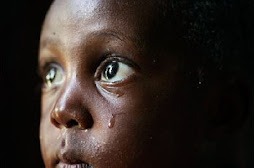
JOHANNESBURG - A women's rights group on Wednesday called on Zimbabwe's power-sharing government to bring to justice people who committed human rights violations including sexual abuse against women during the run-up to a controversial second round presidential ballot won by President Robert Mugabe last June.
The Women Coalition of Zimbabwe (WCZ) also urged Southern African Development Community (SADC) leaders to pressure the unity government of Mugabe and Prime Minister Morgan Tsvangirai to uphold a regional protocol on gender.
"Any transitional process will not be effective unless it addresses the issues raised by those affected. Attempts of national healing and reconciliation without (justice) provide a short-lived remedy to conflict," said WCZ chairwoman Emilia Muchawa, during the launch in Johannesburg of a documentary on violence against women in Zimbabwe.
The documentary titled, "Hear Us - Zimbabwean Women Affected by Political Violence Speak Out", and an accompanying report titled, "Putting it Right: Addressing Human Rights Violations Against Zimbabwean Women", give detailed accounts and footage of how women were beaten, tortured and raped during the violence that engulfed Zimbabwe before the June vote.
Women's groups estimate that more than 2000 women may have been raped between May and June last year.In one of the most touching moments captured in the documentary a woman identified only as Memory recounts how she was gang raped by militia from
Mugabe's ZANU PF party at torture camp in rural Zimbabwe.
She recalls: "When I arrived at the base, they removed all my clothes and I was raped by three men, one after the other," Memory says in the documentary. She added that after the rape she attempted to file a report with the police who however declined to accept her statement.
"We are not dealing with political violence cases. The time will come when we will deal with them," Memory recollects one police officer telling her.The documentary was produced by the WCZ working in collaboration with the Research and Advocacy Unit (RAU).
RAU is a non-governmental organisation based in Harare pushing for setting up of a truth, justice and reconciliation commission and working on providing specialist assistance in research and advocacy in the field of human rights, democracy and governance.
Zimbabwe witnessed some of its worst ever political violence during the run up to the June vote that was being held after Mugabe was defeated by then opposition leader Tsvangirai in an earlier vote the previous March. But the opposition leader failed to achieve the margin required to take power and avoid a second round run-off vote.
Tsvangirai pulled out of the June ballot citing state-sponsored attacks against his supporters and in the process, leaving Mugabe to win as sole candidate.
But the election was universally condemned, with African countries that had refrained from criticising Mugabe in the past also denouncing the
violence-marred election - a situation that forced Zimbabwean leader to open negotiations to share power with Tsvangirai and Arthur Mutambara, who heads
a smaller opposition party.
The WCZ said it welcomed the power-sharing agreement or global political agreement (GPA) signed last September because the document acknowledges equality between men and women and recognises women's role in nation building.
But the group urged the SADC, which brokered the GPA, to pressure the Harare vernment to implement the power-sharing agreement in full including clauses underpinning women's rights.
Regional governments should also lean on Harare to incorporate the SADC Protocol on Gender and Development into Zimbabwean law, according to the WCZ.
Thursday, May 14, 2009


Zimbabwe Wild Life - The silent sufferer
HARARE - Wildlife experts believe that hundreds of animals have been poached in Zimbabwe since the relaunch of President Robert Mugabe's land invasions soon after the formation of the inclusive government in February.
The ongoing slaughter, which includes supposedly protected species such as black rhinoceros, has wiped out an estimated 60 per cent of wildlife on privately owned game ranches and conservancies.Such areas have been overrun by thousands of settlers, who have stripped away game fences and used the wire to make snares, using the meat either for subsistence amid increasing hunger caused by dollarisation, food shortages in rural areas, or for commercial sale.
"This country's natural heritage is being decimated," said Johnny Rodrigues, of the Zimbabwe Conservation Task Force. "Unless the government restores law and order, we can ultimately kiss Zimbabwe's wildlife goodbye."
There is also evidence that rural authorities in some areas have sanctioned the shooting of game in order to feed the youth militia set up to terrorise political opponents by Mugabe's Zanu (PF) party during his campaign for re-election.
There are two main habitats for wildlife in Zimbabwe, commercial game
ranches, which earn their income from tourism and controlled hunting, and
which in some cases have joined together to form larger conservancies, and
National Parks.
The ongoing slaughter, which includes supposedly protected species such as black rhinoceros, has wiped out an estimated 60 per cent of wildlife on privately owned game ranches and conservancies.Such areas have been overrun by thousands of settlers, who have stripped away game fences and used the wire to make snares, using the meat either for subsistence amid increasing hunger caused by dollarisation, food shortages in rural areas, or for commercial sale.
"This country's natural heritage is being decimated," said Johnny Rodrigues, of the Zimbabwe Conservation Task Force. "Unless the government restores law and order, we can ultimately kiss Zimbabwe's wildlife goodbye."
There is also evidence that rural authorities in some areas have sanctioned the shooting of game in order to feed the youth militia set up to terrorise political opponents by Mugabe's Zanu (PF) party during his campaign for re-election.
There are two main habitats for wildlife in Zimbabwe, commercial game
ranches, which earn their income from tourism and controlled hunting, and
which in some cases have joined together to form larger conservancies, and
National Parks.
Tuesday, May 12, 2009
Beitbridge: Zimbabwe's festering border post
This is a tourist's perspective on their recent visit to Zimbabwe. Their family travelled by car and entered the country through the Beitbridge Border - between South Africa and Zimbabwe.
With the new Unity Government in place, one would think that moves would point towards re-establishing Zimbabwe's once wonderful tourism industry. Since the Land Reform programme in 2000, tourism in Zimbabwe has steadily declined reaching an all time low in December 2008. After rising during the 1990s, with 1.4 million tourists in 1999, industry figures described a 75% fall in visitors to Zimbabwe in by December 2008.
Upon careful consultation with friends from Zimbabwe however, we decided to brave a visit by road. Assurance that fuel is now available at some garages were indeed true. The hotels and National Parks Camps were welcoming if stretched and tatty , the costs were high compared to those in South Africa and food was a lot more expensive.
We would love to travel to Zimbabwe again one day with our family but we made a vow that we would never ever attempt to cross into Zimbabwe at the Beitbridge Border post !As a first entry point to your country, the Border Post was a disgusting
mess, mounds of trash piled everywhere, rocks, stones, great piles of rubble (from Operation Murambatvina?), no signs, no direction, just an unenthusiastic group of uncivil servants waiting for their shift to change.
One would imagine that a Thursday afternoon at Beitbridge Border Post, nowhere near a public holiday, nowhere near the end of the month, that the traffic would not be too bad.
The toll payment was not too unpleasant, the road tax (for the pleasure of driving through the potholes) was not too undisciplined although there was no change anywhere so you just had to forfeit anything owing to you , the passports were stamped with alacrity, but the customs system is a debacle, an absolute debacle.
There were four lines of vehicles, piled high with commercial goods, intent upon passing through the single lane green route, three queues converging on single lane red route. There was no place to move forwards, backwards or to park .
It was complete and utter chaos, pity us poor tourists coming to spend an honest dollar or two in the country, as no sane tourist would ever, ever undertake this horrific experience more than once.
With the temperature at 35 degrees celsius, and a quagmire of vehicles hopelessly gridlocked, trying to literally force their way through customs, touts were yelling, vehicles were bumper to bumper to stop queue jumpers, the fuel emissions were horrendous as the hot tempered border crossers tried to cool down.
It was literally a festering, seething ugly mass of humanity and very frightening to a tourist who does not have a clue where to go and what to do next to get through from S.A. into Zimbabwe.
We sat for three hours i the baking sun in the car, our line of cars did not move an inch, there was no where to buy cold drinks. The only form of sustenance we saw was an enterprising young man who passed by the window carrying a cardboard tray of hard boiled eggs, and tantalisingly displayed on the same tray was an array of condiments like, salt, pepper, aromat and chili powder !!
When we finally forced our way, inch by inch, to the final customs point, we were harassed and berated, searched and abused. Our Gauteng vehicle registration plate seemed to inspire nothing but wrath in everybody, and our woes were still not at an end.
At every road block around the country we were pulled over by police, some in uniform, some in civilian clothes, and again subjected to unnecessary and unnerving questioning. Our little girls were becoming more and more traumatized as the journey progressed.
A visit to Zim again ? Not bloody likely !!
With the new Unity Government in place, one would think that moves would point towards re-establishing Zimbabwe's once wonderful tourism industry. Since the Land Reform programme in 2000, tourism in Zimbabwe has steadily declined reaching an all time low in December 2008. After rising during the 1990s, with 1.4 million tourists in 1999, industry figures described a 75% fall in visitors to Zimbabwe in by December 2008.
Upon careful consultation with friends from Zimbabwe however, we decided to brave a visit by road. Assurance that fuel is now available at some garages were indeed true. The hotels and National Parks Camps were welcoming if stretched and tatty , the costs were high compared to those in South Africa and food was a lot more expensive.
We would love to travel to Zimbabwe again one day with our family but we made a vow that we would never ever attempt to cross into Zimbabwe at the Beitbridge Border post !As a first entry point to your country, the Border Post was a disgusting
mess, mounds of trash piled everywhere, rocks, stones, great piles of rubble (from Operation Murambatvina?), no signs, no direction, just an unenthusiastic group of uncivil servants waiting for their shift to change.
One would imagine that a Thursday afternoon at Beitbridge Border Post, nowhere near a public holiday, nowhere near the end of the month, that the traffic would not be too bad.
The toll payment was not too unpleasant, the road tax (for the pleasure of driving through the potholes) was not too undisciplined although there was no change anywhere so you just had to forfeit anything owing to you , the passports were stamped with alacrity, but the customs system is a debacle, an absolute debacle.
There were four lines of vehicles, piled high with commercial goods, intent upon passing through the single lane green route, three queues converging on single lane red route. There was no place to move forwards, backwards or to park .
It was complete and utter chaos, pity us poor tourists coming to spend an honest dollar or two in the country, as no sane tourist would ever, ever undertake this horrific experience more than once.
With the temperature at 35 degrees celsius, and a quagmire of vehicles hopelessly gridlocked, trying to literally force their way through customs, touts were yelling, vehicles were bumper to bumper to stop queue jumpers, the fuel emissions were horrendous as the hot tempered border crossers tried to cool down.
It was literally a festering, seething ugly mass of humanity and very frightening to a tourist who does not have a clue where to go and what to do next to get through from S.A. into Zimbabwe.
We sat for three hours i the baking sun in the car, our line of cars did not move an inch, there was no where to buy cold drinks. The only form of sustenance we saw was an enterprising young man who passed by the window carrying a cardboard tray of hard boiled eggs, and tantalisingly displayed on the same tray was an array of condiments like, salt, pepper, aromat and chili powder !!
When we finally forced our way, inch by inch, to the final customs point, we were harassed and berated, searched and abused. Our Gauteng vehicle registration plate seemed to inspire nothing but wrath in everybody, and our woes were still not at an end.
At every road block around the country we were pulled over by police, some in uniform, some in civilian clothes, and again subjected to unnecessary and unnerving questioning. Our little girls were becoming more and more traumatized as the journey progressed.
A visit to Zim again ? Not bloody likely !!
Zimbabwe Independent newspaper journalists arrested
By Violet Gonda
Despite the fact that a few days ago it was world press freedom day, journalists continue to be harassed and arrested in Zimbabwe, just for doing their job. On Monday two journalists from the private media were arrested for publishing a story containing the names of police officers and state agents implicated in the abductions of civic leader Jestina Mukoko, journalist Shadreck Manyere and others.
Trevor Ncube, the owner of the Zimbabwe Independent newspaper, confirmed the detention in a message posted on his Facebook site. He said: "Zimbabwe Independent Editor Vincent Kahiya and news editor Constantine Chimakure will be spending the night in the cells."
The two had spent the whole day at the police station on Monday, following a visit by officials from the Law and Order Section on Saturday to the Zimbabwe Independent offices, looking for them. The police said they wanted to arrest Kahiya and Chimakure for publishing a story naming police officers and members of the Central Intelligence Organisation, involved in the abductions of human rights and MDC activists. The activists, who were abducted and tortured between the months of October and December last year, had named in court the officers who brutalised them.
But the Zimbabwe Independent journalists were arrested despite the fact that the information was gathered from public documents, contained in court papers. The names of some of the police officers were revealed, following the formal notices of indictment for trial of the activists this past week. The Independent wrote: "They (the court papers) also revealed that the activists were in the custody of state spies, though the police professed ignorance of their whereabouts until late December when they issued a press statement saying the abductees were in their custody facing banditry charges."
"A perusal of the notices revealed that Assistant Director External in the CIO retired Brigadier Asher Walter Tapfumanei, police superintendents Reggies Chitekwe and Joel Tenderere, detective inspectors Elliot Muchada and Joshua Muzanango, officer commanding CID Homicide Crispen Makedenge, Chief Superintendent Peter Magwenzi, and Senior Assistant Commissioner Simon Nyathi, were involved in some of the abductees' cases."
Media organisation, MISA-Zimbabwe national Chairman, Loughty Dube, said police were unhappy that the newspaper exposed the officers. The arrests of the two comes at a time when the government has just held an All-Stakeholders Media Conference in Kariba, meant to look at media reforms in the country. The event was however boycotted by the major organisations from the private media, grouped under the Media Alliance of Zimbabwe. The journalists boycotted the conference in solidarity with detained journalist Shadreck Manyere.
Dube said: "The latest arrest of the two and continued harassment of other journalists, is an indication of the non-seriousness of this government in dealing with media violations. The all inclusive government had indicated that it would push for changes and call for a change in the media environment, but that is not showing."
Ironically, Kahiya and Chimakure are being represented by lawyer Innocent Chagonda, who is a member of the Joint Monitoring and Implementation Committee (JOMIC) - a panel set up to ensure the implementation of the Global Political Agreement in letter and spirit. It is also, among other issues, meant "to receive reports and complaints in respect of any issue related to the implementation, enforcement and execution of the agreement."
There are many who would say the continued harassment and imprisonment of journalists is in direct contravention of the agreement.
Despite the fact that a few days ago it was world press freedom day, journalists continue to be harassed and arrested in Zimbabwe, just for doing their job. On Monday two journalists from the private media were arrested for publishing a story containing the names of police officers and state agents implicated in the abductions of civic leader Jestina Mukoko, journalist Shadreck Manyere and others.
Trevor Ncube, the owner of the Zimbabwe Independent newspaper, confirmed the detention in a message posted on his Facebook site. He said: "Zimbabwe Independent Editor Vincent Kahiya and news editor Constantine Chimakure will be spending the night in the cells."
The two had spent the whole day at the police station on Monday, following a visit by officials from the Law and Order Section on Saturday to the Zimbabwe Independent offices, looking for them. The police said they wanted to arrest Kahiya and Chimakure for publishing a story naming police officers and members of the Central Intelligence Organisation, involved in the abductions of human rights and MDC activists. The activists, who were abducted and tortured between the months of October and December last year, had named in court the officers who brutalised them.
But the Zimbabwe Independent journalists were arrested despite the fact that the information was gathered from public documents, contained in court papers. The names of some of the police officers were revealed, following the formal notices of indictment for trial of the activists this past week. The Independent wrote: "They (the court papers) also revealed that the activists were in the custody of state spies, though the police professed ignorance of their whereabouts until late December when they issued a press statement saying the abductees were in their custody facing banditry charges."
"A perusal of the notices revealed that Assistant Director External in the CIO retired Brigadier Asher Walter Tapfumanei, police superintendents Reggies Chitekwe and Joel Tenderere, detective inspectors Elliot Muchada and Joshua Muzanango, officer commanding CID Homicide Crispen Makedenge, Chief Superintendent Peter Magwenzi, and Senior Assistant Commissioner Simon Nyathi, were involved in some of the abductees' cases."
Media organisation, MISA-Zimbabwe national Chairman, Loughty Dube, said police were unhappy that the newspaper exposed the officers. The arrests of the two comes at a time when the government has just held an All-Stakeholders Media Conference in Kariba, meant to look at media reforms in the country. The event was however boycotted by the major organisations from the private media, grouped under the Media Alliance of Zimbabwe. The journalists boycotted the conference in solidarity with detained journalist Shadreck Manyere.
Dube said: "The latest arrest of the two and continued harassment of other journalists, is an indication of the non-seriousness of this government in dealing with media violations. The all inclusive government had indicated that it would push for changes and call for a change in the media environment, but that is not showing."
Ironically, Kahiya and Chimakure are being represented by lawyer Innocent Chagonda, who is a member of the Joint Monitoring and Implementation Committee (JOMIC) - a panel set up to ensure the implementation of the Global Political Agreement in letter and spirit. It is also, among other issues, meant "to receive reports and complaints in respect of any issue related to the implementation, enforcement and execution of the agreement."
There are many who would say the continued harassment and imprisonment of journalists is in direct contravention of the agreement.
Sunday, May 10, 2009
Tsvangirai Accident: ZANU PF had Prior Knowledge of the Tragedy
By Gerald Harper, Zimbabwe Metro President of Zimbabwe Robert Mugabe, centre left accompanied by CIO Director Happyton Bonyongwe arrives at the Avenues Clinic in Harare to visit injured Morgan Tsvangirai.
In a shocking revelation that might threaten the fragile power sharing deal between ZANU PF and the MDC,it has emerged that at least three ZANU PF ministers knew about the accident which injured Prime Minister Morgan Tsvangirai and killed his wife Susan ,according to a report that was submitted to the MDC.
The details are contained in a 50 page investigation report that was carried out by a private investigation company and summited to the MDC two weeks after the accident,but the MDC has kept a tight lid on it and some members of the National Executive have not even seen it.
According to the report Defence Minister, Emmerson Mnagagwa,Transportation Minister, Nicolas Goche and Justice Minister,Patrick Chinamasa likely knew about the accident a few days before it happened.
The report also questions if President Mugabe knew about the accident beforehand as his travel arrangements to visit Avenues Hospital started being made in the morning of the day the accident occurred. Hospital Staff reportedly witnessed security agents and Mugabe’s security detail being dispatched to man the hospital in the morning.
Also in the document is compelling evidence that the Driver of the truck,Chinoona Mwanda has strong links to the Central Intelligence Organization(CIO) and the Army. The driver of the truck, which belongs to the United States Development Agency(USAID) was taken into police custody after the accident.
According to the investigation Tsvangirai’s vehicle was being escorted by a Central Intelligence Organization vehicle which, for no known reason, increased its speed and disappeared from view. Just as that CIO vehicle was out of view a truck coming in the opposite direction appeared and sideswiped the PM’s car.
MDC officials claim that no help was provided by CIO guards on the scene and when a white farmer arrived and began to film the scene he was arrested and his pictures were confiscated.
Several MDC politicians have since been involved in highly questionable road accidents since the signing of the power sharing deal.
Giles Mutsekwa, the MDC-T Home Affairs Minister was involved in a car accident last month. Mutsekwa was travelling to Harare on Mucheke road when his car was hit from behind by a Nissan Hard Body truck.
Deputy Prime Minister Thokozani Khuphe’s mother died from injuries received in an accident on the Bulawayo-Harare road last month. Minister of State Gorden Moyo and Minister of State Enterprise and Parastatals Sam Nkomo were travelling to Harare airport last month when the vehicle in which they were travelling was also hit from behind by another vehicle.
 President of Zimbabwe Robert Mugabe, centre left accompanied by CIO Director Happyton Bonyongwe arrives at the Avenues Clinic in Harare to visit injured Morgan Tsvangirai.
In a shocking revelation that might threaten the fragile power sharing deal between ZANU PF and the MDC,it has emerged that at least three ZANU PF ministers knew about the accident which injured Prime Minister Morgan Tsvangirai and killed his wife Susan ,according to a report that was submitted to the MDC.
The details are contained in a 50 page investigation report that was carried out by a private investigation company and summited to the MDC two weeks after the accident,but the MDC has kept a tight lid on it and some members of the National Executive have not even seen it.
According to the report Defence Minister, Emmerson Mnagagwa,Transportation Minister, Nicolas Goche and Justice Minister,Patrick Chinamasa likely knew about the accident a few days before it happened.
The report also questions if President Mugabe knew about the accident beforehand as his travel arrangements to visit Avenues Hospital started being made in the morning of the day the accident occurred. Hospital Staff reportedly witnessed security agents and Mugabe’s security detail being dispatched to man the hospital in the morning.
Also in the document is compelling evidence that the Driver of the truck,Chinoona Mwanda has strong links to the Central Intelligence Organization(CIO) and the Army. The driver of the truck, which belongs to the United States Development Agency(USAID) was taken into police custody after the accident.
According to the investigation Tsvangirai’s vehicle was being escorted by a Central Intelligence Organization vehicle which, for no known reason, increased its speed and disappeared from view. Just as that CIO vehicle was out of view a truck coming in the opposite direction appeared and sideswiped the PM’s car.
MDC officials claim that no help was provided by CIO guards on the scene and when a white farmer arrived and began to film the scene he was arrested and his pictures were confiscated.
Several MDC politicians have since been involved in highly questionable road accidents since the signing of the power sharing deal.
Giles Mutsekwa, the MDC-T Home Affairs Minister was involved in a car accident last month. Mutsekwa was travelling to Harare on Mucheke road when his car was hit from behind by a Nissan Hard Body truck.
Deputy Prime Minister Thokozani Khuphe’s mother died from injuries received in an accident on the Bulawayo-Harare road last month. Minister of State Gorden Moyo and Minister of State Enterprise and Parastatals Sam Nkomo were travelling to Harare airport last month when the vehicle in which they were travelling was also hit from behind by another vehicle.
Jestina Mukoko: What's the Law got to do with it?
By Alex Magaisa
For the last six months, I have been closely following the matter of Jestina Mukoko and other activists who spent months in prison before being released in early March 2009. Others like Gandhi Mudzingwa, Chris Dlamini and Anderson Manyere have remained in custody since December 2008 despite being granted bail by the High Court.
All detainees are alleged to have been tortured and subjected to inhumane and degrading treatment by their captors. All this is happening in a country that claims to be rehabilitated and in need of assistance to kick-start a comatose economy.
On Tuesday May 5, 2009, Zimbabweans and the world at large were shocked to read that Mukoko and 17 others had been re-detained following proceedings at the Magistrates' Court in Harare.
The next day, however, 15 of the 18 detainees were released, the Attorney-General having finally consented to their bail applications.
Many people have asked, in the aftermath of this episode, what really is going on? Some have criticised the magistrate for her ruling to send the detainees to prison. Many others are plainly confused and disappointed at the turn of events.
Now, I am not a criminal lawyer but I like to think I can still read criminal legislation in the context of our political situation. I am interested to discover if this really has anything to do with the law.
This, here, is my attempt to shed light on what happened; why it may well have been within the law but is nevertheless ridiculous, given the national interest at stake in the overall scheme of things.
I will attempt as much as possible to put the language in layperson's terms, although this is at the risk of oversimplifying it, something that might disappoint my colleagues in the law.
I understand that the basis upon which Magistrate Catherine Chimhanda made her decision to re-detain Mukoko and others is Section 66 of the Criminal Procedure and Evidence Act [Cap 8:07].
This section provides for the procedure for bringing an accused person to trial before the High Court.
This simplified procedure, commonly known as the "direct indict" procedure is a departure from an older procedure which required a "preparatory examination" in the magistrates' Court before indicting the accused person in the High Court for trial. The types of offences that are tried by the High Court are called "indictable offences".
The reason for the preparatory examination was to scrutinise the evidence to determine whether the accused should be in the High Court. The trouble with this procedure was that it was time-consuming and costly both for the state and the accused.
I understand the law was changed in 1962 to allow for the "direct indict" procedure as an alternative in straight-forward case, so that a preparatory examination was not necessary.
Over time, this simpler procedure became the norm and in 2006, a new amendment produced the present Section 66, which is now under consideration as the basis upon which Mukoko and others were sent to prison for the night of May 5 2009.
Subsection 1 of this provision states that: "If the Attorney-General is of the opinion that any person is under reasonable suspicion of having committed an offence for which the person may be tried in the High Court, the Attorney-General shall cause written notice to be served on-(a) a magistrate for the province within which the person concerned resides or for the time being is present; or (b) any magistrate before whom the trial of the offence could be held in respect of the offence concerned; informing the magistrate of his or her decision to indict the person
concerned for trial before the High Court and of the offence for which the
person is to be tried".
I have underlined the key words for emphasis. Essentially, therefore, all the Attorney-General needs to do is to issue a written notice to the magistrate merely informing her that he has made the decision to indict, i.e. to formally accuse a person for trial at the High Court. The AG must of course state the offence.
It is worth noting here that the AG is not asking the magistrate for permission to do so. He is not placing evidence before the magistrate - he is merely "informing" her of his decision and of the offence. What then does the magistrate do? This requires us to look at the next provision.
Subsection 2 then states:
"On receipt of a notice in terms of subsection (1), the magistrate shall cause the person concerned to be brought before him or her and, notwithstanding any other provision of this Act, shall forthwith commit the person for trial before the High Court and grant a warrant to commit him or her to prison, there to be detained till brought to trial before the High Court for the offence specified in the warrant or till admitted to bail or liberated in the course of law."
This means that once the magistrate has received the notice from the AG, she is required to call the accused person to be brought before her court, as happened to Mukoko and others when they came to court on May 5.It is important to note that the provision uses peremptory language, i.e. the magistrate "shall forthwith" commit the accused person for trial before the High Court and also grant a warrant to commit the accused person to prison, where the accused person shall be "detained" until brought to trial or until "admitted to bail or liberated in the course of law".
This strong language shows that, once the notice has been issued by the AG, the matter is by and large beyond the magistrate's control until such time that the accused applies for bail. All that it took was for the AG to issue the notice to the magistrate, as he did on May 4, 2009.
Effectively it is the word of the AG, through that notice to cause the accused persons to be sent to prison as the magistrate does not seem to have any discretion on this - under the provision, she has to grant a warrant for the accused committal to prison.
Under the provisions quoted above, the magistrate has little, if any, power to question the nature and quality of evidence that the AG uses to indict the accused person.
That explains why Mukoko's lawyers did not challenge the legality of what she has done but instead sought to ask for evidence of the political decisions behind the March bail to be heard.
The irony here is that it is the political decisions that probably caused the AG to issue the notice that has led to the re-detention of the activists. The magistrate's position would not have changed for the simple reason that she does not have the power, unless she was considering a bail application.
For the avoidance of doubt, it is important to note that the AG could have done what he did even on the day that Mukoko and others were released in early March. He could have done it a day later, two days later, indeed any day after their release.
What then has changed? Has the State suddenly got enough evidence to give them reasonable suspicion that the accused committed the alleged offences? Perhaps. But there could be another motive, which has little to do with the law.
That the AG chose to do so on May 4, 2009 has to be considered within the context of the on-going political negotiations, which have probably hit a sticky patch.
We must also consider another relevant aspect. This is not the first time that the AG has issued a notice of this nature - indeed, as I have said it is the norm in most cases.
However, my understanding is that as a matter of practice the norm is for arrangements for bail to be made where necessary so that in this case, when the AG issued the notice, he could have stated that he would not oppose bail.
The lawyers for Mukoko and others could therefore have applied for bail, which if she had the power, the magistrate could have dealt with. That means Mukoko and others would have been spared the ordeal of jail. So why was consent delayed until a day later?
Did it suddenly dawn on the AG that it made no sense to lock away accused persons who were on bail, which bail they had not breached? Or was there a bigger, invisible hand that caused him to see reason?
There might be an argument that there is something wrong with the law which allows the AG to do as he did in this case because it is prone to abuse.That may well be true. The justice system is predicated on the basis that the officers of the law, the AG included, will uphold the Constitution and behave in a civilised manner.
It is expected that the AG will be fair, reasonable and use the powers given to him in lawful manner, i.e. that there will be no abuse of powers.That is why there have been no similar problems as this in the past. But this system is too dependent on the character of the office holder.
Someone could be vindictive and unreasonable and refuse to consent to bail, thereby consigning the accused to prison for a lengthy period of time. The presumptions are misplaced in today's Zimbabwe.There was no reason for Mukoko and others to be sent to prison even for a day.
The AG could have issued the indictment notice and indicated that he would not oppose bail. That would have been a reasonable and sensible use of the powers.
The accused have not breached their bail conditions (at least there is no allegation that they have). Given the seriousness of the charges they are facing, one might have thought they would do a runner, especially having been unlawfully captured and subjected to inhumane and degrading treatment during that initial detention. They did no such thing.
Cynics will be forgiven for holding on to the view that the cases were always politically-motivated. They have been resurrected in part due to the challenges of the current negotiations on "outstanding matters" from the Global Political Agreement (GPA). As always the law is no more than a veil to earn legitimacy.
Soon, the justifications of the rule of law will be heard from those pulling the strings. The only problem with the law as presently stated is that it is prone to abuse but a reasonable AG can still conduct him/herself without causing undue hardship to accused persons.
The Magistrate did nothing wrong - she had little power to order their release in the absence of a bail application and the consent of the AG. If the AG had opposed bail and she agreed with his reasoning then there would be cause to be more critical of her. In the end the matter was resolved because the root of the problem, at the AG's office solved it by consenting to bail. Why did it not happen on the first day? The problem is simple.
It is that those charged with power saw it fit to tighten the vice-grip on the cojones of Messers Morgan Tsvangirai, Arthur Mutambara, et al. These poor souls detained were the pawns. It's crazy. It's ridiculous. I had wanted to believe very strongly that there is something beautiful that can be salvaged from this political hybrid of a government.
But with each passing day, even my own optimism, which, I must admit can seem overly naively eternal, has taken a huge knock. Why do we always shoot ourselves in the foot? Are we surely incapable of doing the right thing? And above all, how do they, those who do these things, how do they sleep at night, if at all?
For the last six months, I have been closely following the matter of Jestina Mukoko and other activists who spent months in prison before being released in early March 2009. Others like Gandhi Mudzingwa, Chris Dlamini and Anderson Manyere have remained in custody since December 2008 despite being granted bail by the High Court.
All detainees are alleged to have been tortured and subjected to inhumane and degrading treatment by their captors. All this is happening in a country that claims to be rehabilitated and in need of assistance to kick-start a comatose economy.
On Tuesday May 5, 2009, Zimbabweans and the world at large were shocked to read that Mukoko and 17 others had been re-detained following proceedings at the Magistrates' Court in Harare.
The next day, however, 15 of the 18 detainees were released, the Attorney-General having finally consented to their bail applications.
Many people have asked, in the aftermath of this episode, what really is going on? Some have criticised the magistrate for her ruling to send the detainees to prison. Many others are plainly confused and disappointed at the turn of events.
Now, I am not a criminal lawyer but I like to think I can still read criminal legislation in the context of our political situation. I am interested to discover if this really has anything to do with the law.
This, here, is my attempt to shed light on what happened; why it may well have been within the law but is nevertheless ridiculous, given the national interest at stake in the overall scheme of things.
I will attempt as much as possible to put the language in layperson's terms, although this is at the risk of oversimplifying it, something that might disappoint my colleagues in the law.
I understand that the basis upon which Magistrate Catherine Chimhanda made her decision to re-detain Mukoko and others is Section 66 of the Criminal Procedure and Evidence Act [Cap 8:07].
This section provides for the procedure for bringing an accused person to trial before the High Court.
This simplified procedure, commonly known as the "direct indict" procedure is a departure from an older procedure which required a "preparatory examination" in the magistrates' Court before indicting the accused person in the High Court for trial. The types of offences that are tried by the High Court are called "indictable offences".
The reason for the preparatory examination was to scrutinise the evidence to determine whether the accused should be in the High Court. The trouble with this procedure was that it was time-consuming and costly both for the state and the accused.
I understand the law was changed in 1962 to allow for the "direct indict" procedure as an alternative in straight-forward case, so that a preparatory examination was not necessary.
Over time, this simpler procedure became the norm and in 2006, a new amendment produced the present Section 66, which is now under consideration as the basis upon which Mukoko and others were sent to prison for the night of May 5 2009.
Subsection 1 of this provision states that: "If the Attorney-General is of the opinion that any person is under reasonable suspicion of having committed an offence for which the person may be tried in the High Court, the Attorney-General shall cause written notice to be served on-(a) a magistrate for the province within which the person concerned resides or for the time being is present; or (b) any magistrate before whom the trial of the offence could be held in respect of the offence concerned; informing the magistrate of his or her decision to indict the person
concerned for trial before the High Court and of the offence for which the
person is to be tried".
I have underlined the key words for emphasis. Essentially, therefore, all the Attorney-General needs to do is to issue a written notice to the magistrate merely informing her that he has made the decision to indict, i.e. to formally accuse a person for trial at the High Court. The AG must of course state the offence.
It is worth noting here that the AG is not asking the magistrate for permission to do so. He is not placing evidence before the magistrate - he is merely "informing" her of his decision and of the offence. What then does the magistrate do? This requires us to look at the next provision.
Subsection 2 then states:
"On receipt of a notice in terms of subsection (1), the magistrate shall cause the person concerned to be brought before him or her and, notwithstanding any other provision of this Act, shall forthwith commit the person for trial before the High Court and grant a warrant to commit him or her to prison, there to be detained till brought to trial before the High Court for the offence specified in the warrant or till admitted to bail or liberated in the course of law."
This means that once the magistrate has received the notice from the AG, she is required to call the accused person to be brought before her court, as happened to Mukoko and others when they came to court on May 5.It is important to note that the provision uses peremptory language, i.e. the magistrate "shall forthwith" commit the accused person for trial before the High Court and also grant a warrant to commit the accused person to prison, where the accused person shall be "detained" until brought to trial or until "admitted to bail or liberated in the course of law".
This strong language shows that, once the notice has been issued by the AG, the matter is by and large beyond the magistrate's control until such time that the accused applies for bail. All that it took was for the AG to issue the notice to the magistrate, as he did on May 4, 2009.
Effectively it is the word of the AG, through that notice to cause the accused persons to be sent to prison as the magistrate does not seem to have any discretion on this - under the provision, she has to grant a warrant for the accused committal to prison.
Under the provisions quoted above, the magistrate has little, if any, power to question the nature and quality of evidence that the AG uses to indict the accused person.
That explains why Mukoko's lawyers did not challenge the legality of what she has done but instead sought to ask for evidence of the political decisions behind the March bail to be heard.
The irony here is that it is the political decisions that probably caused the AG to issue the notice that has led to the re-detention of the activists. The magistrate's position would not have changed for the simple reason that she does not have the power, unless she was considering a bail application.
For the avoidance of doubt, it is important to note that the AG could have done what he did even on the day that Mukoko and others were released in early March. He could have done it a day later, two days later, indeed any day after their release.
What then has changed? Has the State suddenly got enough evidence to give them reasonable suspicion that the accused committed the alleged offences? Perhaps. But there could be another motive, which has little to do with the law.
That the AG chose to do so on May 4, 2009 has to be considered within the context of the on-going political negotiations, which have probably hit a sticky patch.
We must also consider another relevant aspect. This is not the first time that the AG has issued a notice of this nature - indeed, as I have said it is the norm in most cases.
However, my understanding is that as a matter of practice the norm is for arrangements for bail to be made where necessary so that in this case, when the AG issued the notice, he could have stated that he would not oppose bail.
The lawyers for Mukoko and others could therefore have applied for bail, which if she had the power, the magistrate could have dealt with. That means Mukoko and others would have been spared the ordeal of jail. So why was consent delayed until a day later?
Did it suddenly dawn on the AG that it made no sense to lock away accused persons who were on bail, which bail they had not breached? Or was there a bigger, invisible hand that caused him to see reason?
There might be an argument that there is something wrong with the law which allows the AG to do as he did in this case because it is prone to abuse.That may well be true. The justice system is predicated on the basis that the officers of the law, the AG included, will uphold the Constitution and behave in a civilised manner.
It is expected that the AG will be fair, reasonable and use the powers given to him in lawful manner, i.e. that there will be no abuse of powers.That is why there have been no similar problems as this in the past. But this system is too dependent on the character of the office holder.
Someone could be vindictive and unreasonable and refuse to consent to bail, thereby consigning the accused to prison for a lengthy period of time. The presumptions are misplaced in today's Zimbabwe.There was no reason for Mukoko and others to be sent to prison even for a day.
The AG could have issued the indictment notice and indicated that he would not oppose bail. That would have been a reasonable and sensible use of the powers.
The accused have not breached their bail conditions (at least there is no allegation that they have). Given the seriousness of the charges they are facing, one might have thought they would do a runner, especially having been unlawfully captured and subjected to inhumane and degrading treatment during that initial detention. They did no such thing.
Cynics will be forgiven for holding on to the view that the cases were always politically-motivated. They have been resurrected in part due to the challenges of the current negotiations on "outstanding matters" from the Global Political Agreement (GPA). As always the law is no more than a veil to earn legitimacy.
Soon, the justifications of the rule of law will be heard from those pulling the strings. The only problem with the law as presently stated is that it is prone to abuse but a reasonable AG can still conduct him/herself without causing undue hardship to accused persons.
The Magistrate did nothing wrong - she had little power to order their release in the absence of a bail application and the consent of the AG. If the AG had opposed bail and she agreed with his reasoning then there would be cause to be more critical of her. In the end the matter was resolved because the root of the problem, at the AG's office solved it by consenting to bail. Why did it not happen on the first day? The problem is simple.
It is that those charged with power saw it fit to tighten the vice-grip on the cojones of Messers Morgan Tsvangirai, Arthur Mutambara, et al. These poor souls detained were the pawns. It's crazy. It's ridiculous. I had wanted to believe very strongly that there is something beautiful that can be salvaged from this political hybrid of a government.
But with each passing day, even my own optimism, which, I must admit can seem overly naively eternal, has taken a huge knock. Why do we always shoot ourselves in the foot? Are we surely incapable of doing the right thing? And above all, how do they, those who do these things, how do they sleep at night, if at all?
Police Seeks to Arrest Independent Zimbabwe Journalists
BY CAIPHAS CHIMHETE AND BERTHA SHOKO
AS the Kariba media stakeholders' conference, convened to draw up a roadmap for reforms in the sector, closed this weekend, officers from the Police Law and Order Section swooped on the offices of the Zimbabwe Independent seeking to arrest its Editor and News Editor.
The officers, acting on the orders of Detective Chief Inspector Ntini, said they had been sent to arrest Vincent Kahiya and Constantine Chimakure, Editor and News Editor respectively, over a story published on Friday naming Central Intelligence Organisation officers and police officers who were allegedly involved in the abduction of human rights and MDC activists in November last year.
Three officers - Inspectors Mukwaira (030805H), Justein (045073R), and Kambizi (045121T) told Zimind Group Chief Executive Officer Raphael Khumalo they had been sent to arrest Kahiya and Chimakure. Zimbabwe Independent staff do not work on Saturdays.
Ntini told Khumalo the two were wanted for questioning for publishing the names of the officers behind abductions of MDC and human rights activists last year.
In his conversation with Ntini over the phone Khumalo defended the paper's position saying the story was based on court records and that there was no basis for seeking Kahiya and Chimakure's arrest.
The information had been supplied by the Attorney-General's office as part of the notices of indictment for trial served on the MDC and civic activists and was therefore in the public domain.
Khumalo told Ntini the company would not hesitate to expose such continued harassment of the media to show the world that such violations are continuing even under the new political dispensation.
"The attempt to arrest Kahiya and Chimakure amounts to harassment," Khumalo said,"at a time when the government is holding a media reform conference to put an end to this sort of thing. The episode shows there has been no change in the role of the police."
The Kariba conference, part of a government charm offensive, began on Thursday but was poorly attended after many journalists and media organisations boycotted the event in protest against the detention of journalist, Shadreck Andrisson Manyere.
Journalists grouped under the Media Alliance of Zimbabwe stayed away from the meeting because Manyere, who is facing banditry and terrorism charges, had not been released from prison.
The journalists said it was impossible for them to attend a conference when one of their own was under detention using the same repressive laws that are meant to be under discussion.
They were also protesting against the inclusion of what they referred to as "media hangmen" on the programme.
Among those lined up to speak were former chairman of the Media and Information Commission Tafataona Mahoso and former information minister Jonathan Moyo, fingered as the brains behind the notorious Access to Information and Protection of Privacy Act and the Public Order and Security Act. But Moyo did not attend.National chairman of the Media Institute of Southern Africa - Zimbabwe Chapter - Loughty Dube said media boycotted the event because government had reneged on its promise to release Manyere as previously agreed.
Dube said the Deputy Minister of Media, Information and Publicity, Jameson Timba had assured them when they met last Tuesday that Manyere would be released the following day.
"We felt that we could not go and negotiate when our members are being persecuted," said Dube. "We are not against the media reform process but what we want is a reformed media environment."
He said journalists who attended the conference went to Kariba in their individual capacities. Zimbabwe Union of Journalists (ZUJ) president Matthew Takaona was among those who attended the conference.
Takaona said while ZUJ does not condone the arrest of journalists by government, it was necessary for media practitioners to attend the conference.
"If journalists had not come here completely, it was going to be a disaster in terms of the recommendations that are going to come out," he said.
Other journalists who attended the meeting were Financial Gazette Editor Hama Saburi, Cris Chinaka of Reuters, media consultant Bornwell Chakaodza and journalist-cum-politician Kindness Paradza.
The conference recommended that Aippa be replaced with a Freedom of Information Act and a Media Practitioners' Registration Act which will make registration of journalists a formality.
It also recommended that the Zimbabwe Media Commission be constituted as soon as possible. The commission should be a transitional body, it was said, which when the constitutional reform process is started will give way to self-regulation in the profession.
The conference said government must support self-regulation, foreign investors should only be able to take up 49% in local media, criminal defamation should be repealed, cross-ownership of media disallowed and government should assist in the formation of a National Employment Council (NEC) for journalists.
It was also suggested that the ZBC board be appointed by Parliament to make it a fully public broadcaster.
No foreign investors in community radio stations should be permitted but donations would be acceptable and the President and the Prime Minister would not be "insulted".
Last week's re-detention of Zimbabwe Peace Project director Jestina Mukoko and Manyere's continued incarceration triggered the initial move to boycott the conference.
Although Mukoko was released last Wednesday along with other political detainees, Manyere remained detained along with Tsvangirai's former personal assistant Gandhi Mudzingwa and MDC director of security Chris Dhlamini.
BY CAIPHAS CHIMHETE AND BERTHA SHOKO
AS the Kariba media stakeholders' conference, convened to draw up a roadmap for reforms in the sector, closed this weekend, officers from the Police Law and Order Section swooped on the offices of the Zimbabwe Independent seeking to arrest its Editor and News Editor.
The officers, acting on the orders of Detective Chief Inspector Ntini, said they had been sent to arrest Vincent Kahiya and Constantine Chimakure, Editor and News Editor respectively, over a story published on Friday naming Central Intelligence Organisation officers and police officers who were allegedly involved in the abduction of human rights and MDC activists in November last year.
Three officers - Inspectors Mukwaira (030805H), Justein (045073R), and Kambizi (045121T) told Zimind Group Chief Executive Officer Raphael Khumalo they had been sent to arrest Kahiya and Chimakure. Zimbabwe Independent staff do not work on Saturdays.
Ntini told Khumalo the two were wanted for questioning for publishing the names of the officers behind abductions of MDC and human rights activists last year.
In his conversation with Ntini over the phone Khumalo defended the paper's position saying the story was based on court records and that there was no basis for seeking Kahiya and Chimakure's arrest.
The information had been supplied by the Attorney-General's office as part of the notices of indictment for trial served on the MDC and civic activists and was therefore in the public domain.
Khumalo told Ntini the company would not hesitate to expose such continued harassment of the media to show the world that such violations are continuing even under the new political dispensation.
"The attempt to arrest Kahiya and Chimakure amounts to harassment," Khumalo said,"at a time when the government is holding a media reform conference to put an end to this sort of thing. The episode shows there has been no change in the role of the police."
The Kariba conference, part of a government charm offensive, began on Thursday but was poorly attended after many journalists and media organisations boycotted the event in protest against the detention of journalist, Shadreck Andrisson Manyere.
Journalists grouped under the Media Alliance of Zimbabwe stayed away from the meeting because Manyere, who is facing banditry and terrorism charges, had not been released from prison.
The journalists said it was impossible for them to attend a conference when one of their own was under detention using the same repressive laws that are meant to be under discussion.
They were also protesting against the inclusion of what they referred to as "media hangmen" on the programme.
Among those lined up to speak were former chairman of the Media and Information Commission Tafataona Mahoso and former information minister Jonathan Moyo, fingered as the brains behind the notorious Access to Information and Protection of Privacy Act and the Public Order and Security Act. But Moyo did not attend.National chairman of the Media Institute of Southern Africa - Zimbabwe Chapter - Loughty Dube said media boycotted the event because government had reneged on its promise to release Manyere as previously agreed.
Dube said the Deputy Minister of Media, Information and Publicity, Jameson Timba had assured them when they met last Tuesday that Manyere would be released the following day.
"We felt that we could not go and negotiate when our members are being persecuted," said Dube. "We are not against the media reform process but what we want is a reformed media environment."
He said journalists who attended the conference went to Kariba in their individual capacities. Zimbabwe Union of Journalists (ZUJ) president Matthew Takaona was among those who attended the conference.
Takaona said while ZUJ does not condone the arrest of journalists by government, it was necessary for media practitioners to attend the conference.
"If journalists had not come here completely, it was going to be a disaster in terms of the recommendations that are going to come out," he said.
Other journalists who attended the meeting were Financial Gazette Editor Hama Saburi, Cris Chinaka of Reuters, media consultant Bornwell Chakaodza and journalist-cum-politician Kindness Paradza.
The conference recommended that Aippa be replaced with a Freedom of Information Act and a Media Practitioners' Registration Act which will make registration of journalists a formality.
It also recommended that the Zimbabwe Media Commission be constituted as soon as possible. The commission should be a transitional body, it was said, which when the constitutional reform process is started will give way to self-regulation in the profession.
The conference said government must support self-regulation, foreign investors should only be able to take up 49% in local media, criminal defamation should be repealed, cross-ownership of media disallowed and government should assist in the formation of a National Employment Council (NEC) for journalists.
It was also suggested that the ZBC board be appointed by Parliament to make it a fully public broadcaster.
No foreign investors in community radio stations should be permitted but donations would be acceptable and the President and the Prime Minister would not be "insulted".
Last week's re-detention of Zimbabwe Peace Project director Jestina Mukoko and Manyere's continued incarceration triggered the initial move to boycott the conference.
Although Mukoko was released last Wednesday along with other political detainees, Manyere remained detained along with Tsvangirai's former personal assistant Gandhi Mudzingwa and MDC director of security Chris Dhlamini.
BY CAIPHAS CHIMHETE AND BERTHA SHOKO
Subscribe to:
Posts (Atom)